
Autoconocimientos : Understanding ourselves
Curated by Mariana Muñoz Gomez
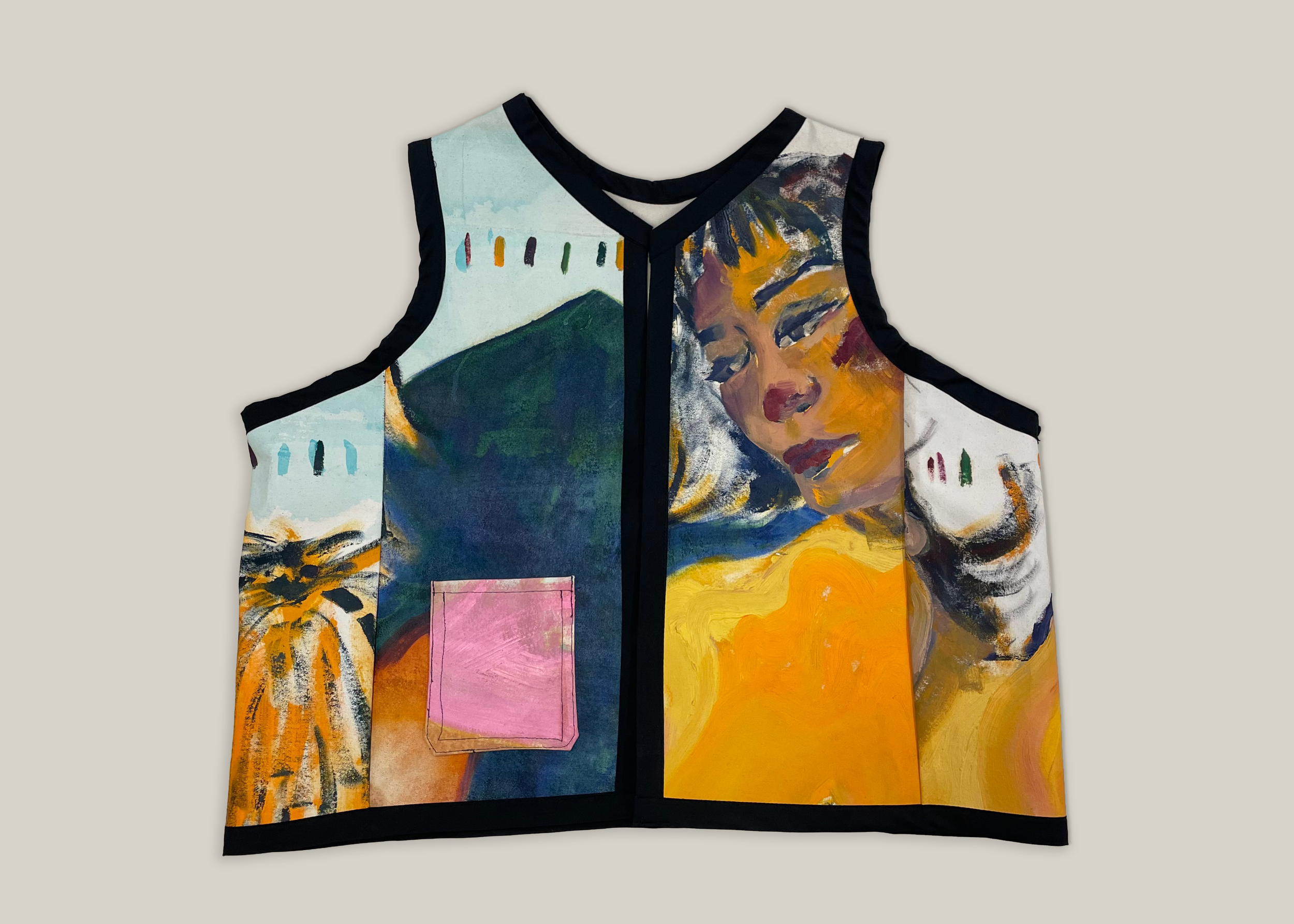
Vest by Nadia Zamora Hernandez. Photo courtesy of the artist.
September 4–October 31, 2026
Francesca Carella Arfinengo, Pablo Javier Castillo Huerta, Matias Martinez, Solana Morante, Isabella Rodriguez Chaparro, Nadia Zamora Hernandez
Opening Reception: Friday September 4 at 7pm, Pablo Will serve cacao
The Hangout ✴ El Jangueo: Saturday, October 17, 5–8 PM
¿Por cuáles vías se forman nuestros entendimientos sobre la identidad? Through which paths are our understandings of identity formed? Autoconocimientos : Understanding ourselves presents Prairie artists with roots in the regions known as México, Guatemala, El Salvador, Colombia, Peru, Chile, and by other names. The exhibition explores various ways of connecting with identity through intuition, food, tradition, migrations, cultural stories, embodied experiences, and through relation.
This exhibition was made possible with the generous support of the Canada Council for the Arts, the Manitoba Arts Council, and of the Winnipeg Arts Council, with funding from the City of Winnipeg.
A curated selection of Afro Latin House music by M.C. LUV blending deep house rhythms, organic percussion, and vibrant Latin influences. Rhythmic, warm, and immersive, the playlist creates a dynamic sonic atmosphere designed to complement the visual energy of the Art exhibition, Autoconocimientos : Understanding ourselves.
Curator’s Note: The auditory landscape of a place can have a deep impact. It informs our associations with a place, it impacts our feelings and emotions, and it reflects local culture and history. When I think of the auditory landscape of my experiences in my place of birth, Mexico, I think of the busy sound of layered conversations, announcements and voices of local vendors, birdsong and parrot chatter, garbage collectors, earthquake warnings, and much more. Musical expression adds another layer to my associations with and understanding of Mexico, and by extension, of history, culture, and identity. Autoconocimientos exhibiting artist Isabella Rodriguez Chaparro also draws on the auditory for one of her handmade books—titled “Cuando nos despedimos, yo no estaba lista”—inspired by the nostalgia and longing characteristic of the lyrics of Vallenatos, a musical tradition originating in Colombia.
I am thrilled to share M.C. LUV’s playlist, made for the occasion of the exhibition, Autoconocimientos : Understanding ourselves. I invite listeners to explore the music she has brought together for us, and to check out M.C. LUV’s own music!
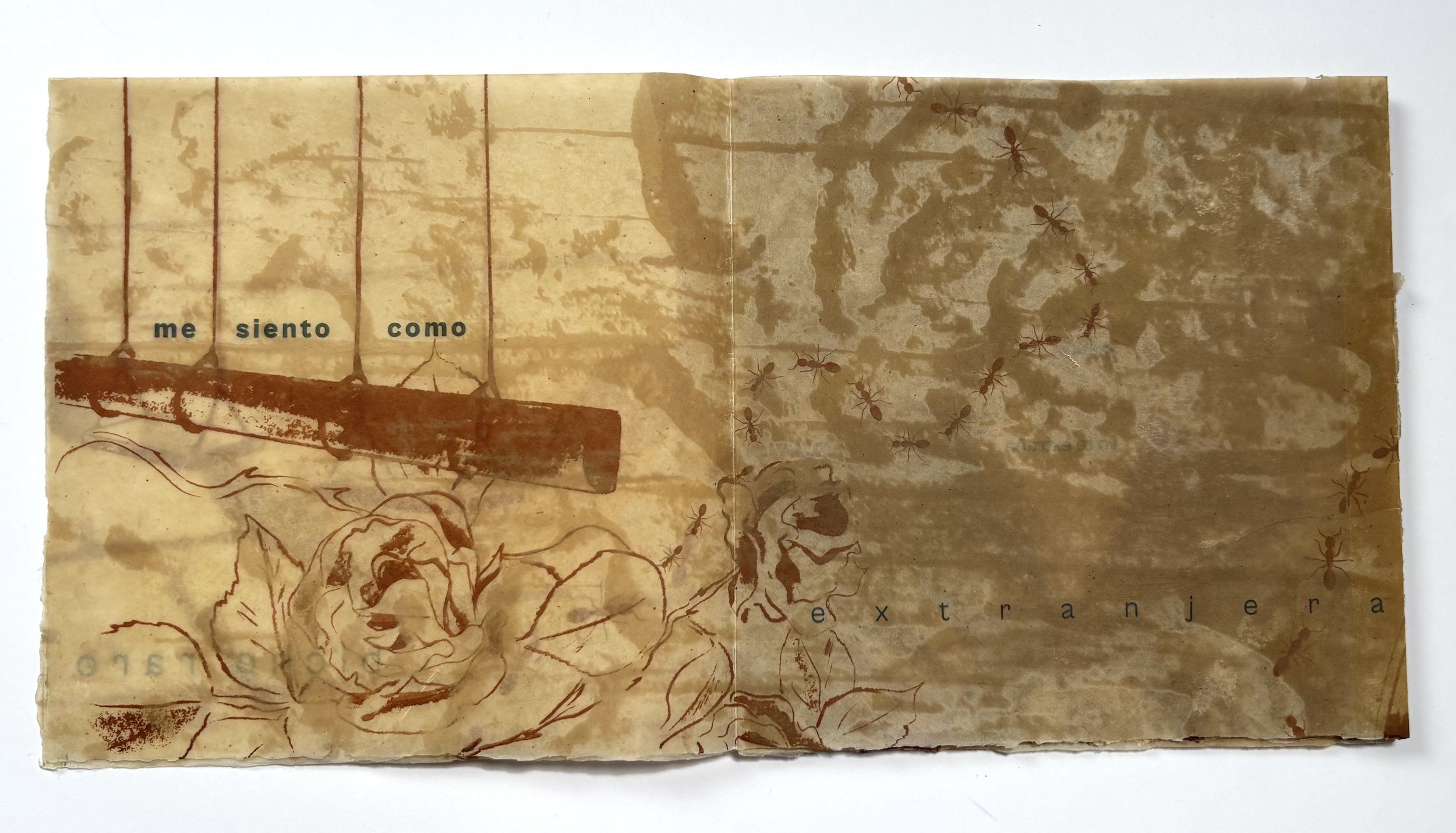
Bicho raro by Isabella Rodriguez Chaparro. Photo Courtesy of the Artist
Colombian Earthquake Relief Efforts
Autoconocimientos : Understanding ourselves would not be possible without the vibrant peoples and cultures rooted in the region known as Latin America. On August 10th, 2026, a severe earthquake hit the department of Chocó in Colombia, killing at least 331 people, injuring over 4,600 others and causing extensive damage throughout the country. Participating artist Isabella Rodriguez Chaparro was born in Bogotá, Colombia, and immigrated to Canada with her mother in 2012. On behalf of Isabella and those with families in and connections to Colombia, please consider supporting the Colombian earthquake relief and recovery efforts by sharing and donating to the organizations linked above. Thank you for your compassion and your action.



About the Artists
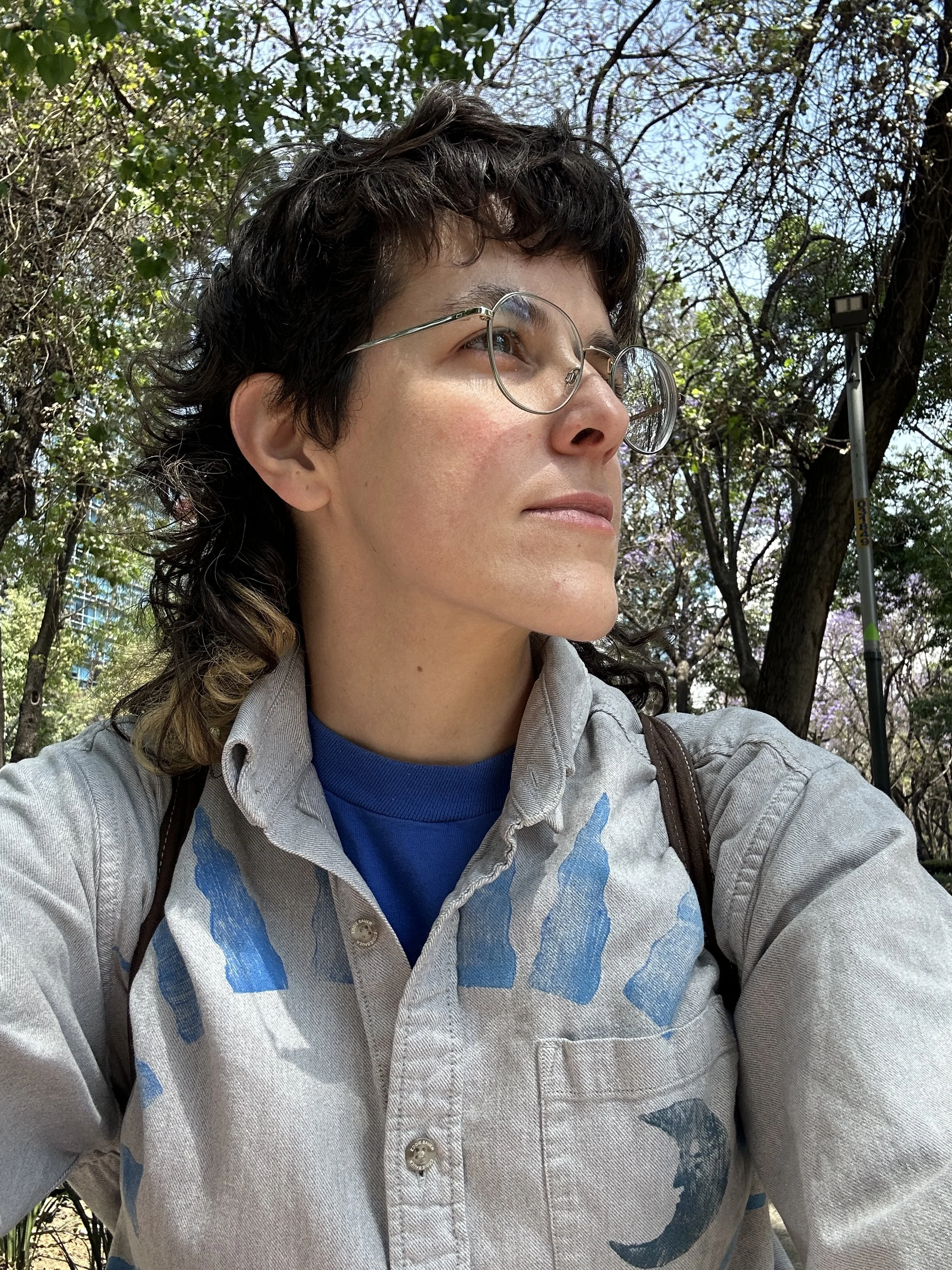
Francesca Carella Arfinengo is an artist who works in textiles, text, photography and poetry as well as socially engaged projects. Their work is rooted in her lived experience as a first -generation immigrant. They are a member of the Miradorx Collective (previously called Mujer Artista) and a resident artist at the Misericordia Health Centre. Francesca grew up in Arequipa, Peru and is grateful to live and work in Treaty 1 territory.
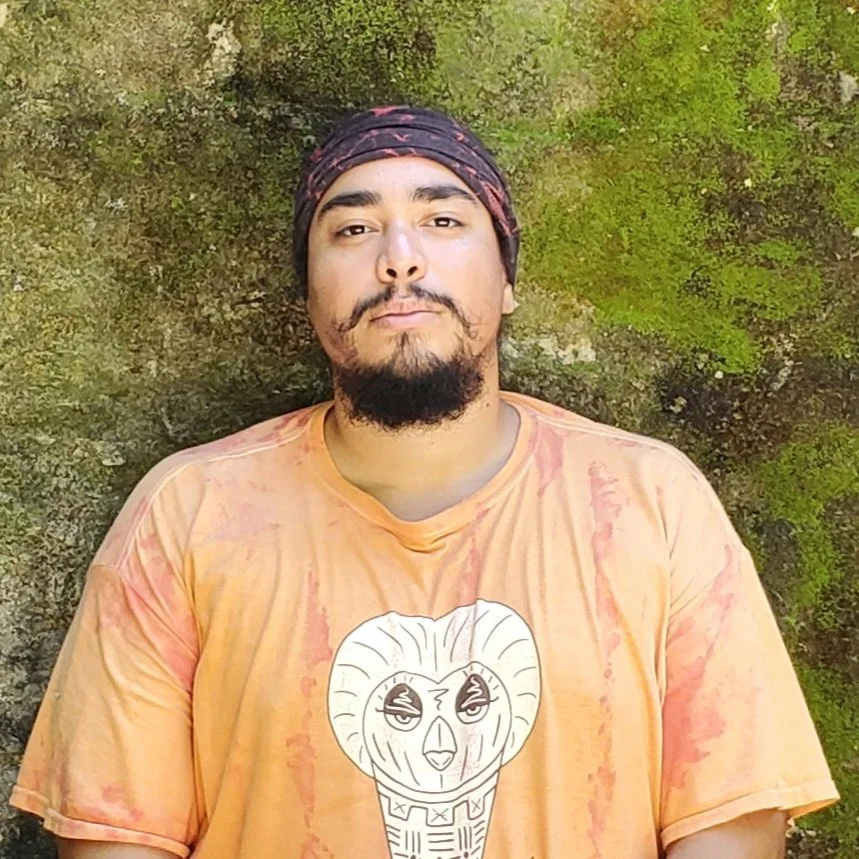
Pablo Javier Castillo Huerta a.k.a. lightofmoon is an interdisciplinary artist. They were born, raised, and continue to work on Treaty One Territory, Turtle Island (Winnipeg, Manitoba). They come from a working class Guatemalan-Canadian family and are of mixed Maya and European descent (Mestizo). Most countries have been shaped in some way by imperialism, capitalism, and colonization; these complex histories share many parallels as well as differences, and these concepts are often explored in their work. Marxism, dialectical materialism, family, nature, science, play, hip-hop, connection, and revolutionary optimism shape their work and creative process. Their main mediums are: installation, sculpture, painting, drawing, music, poetry, photography, video, and graphic design.
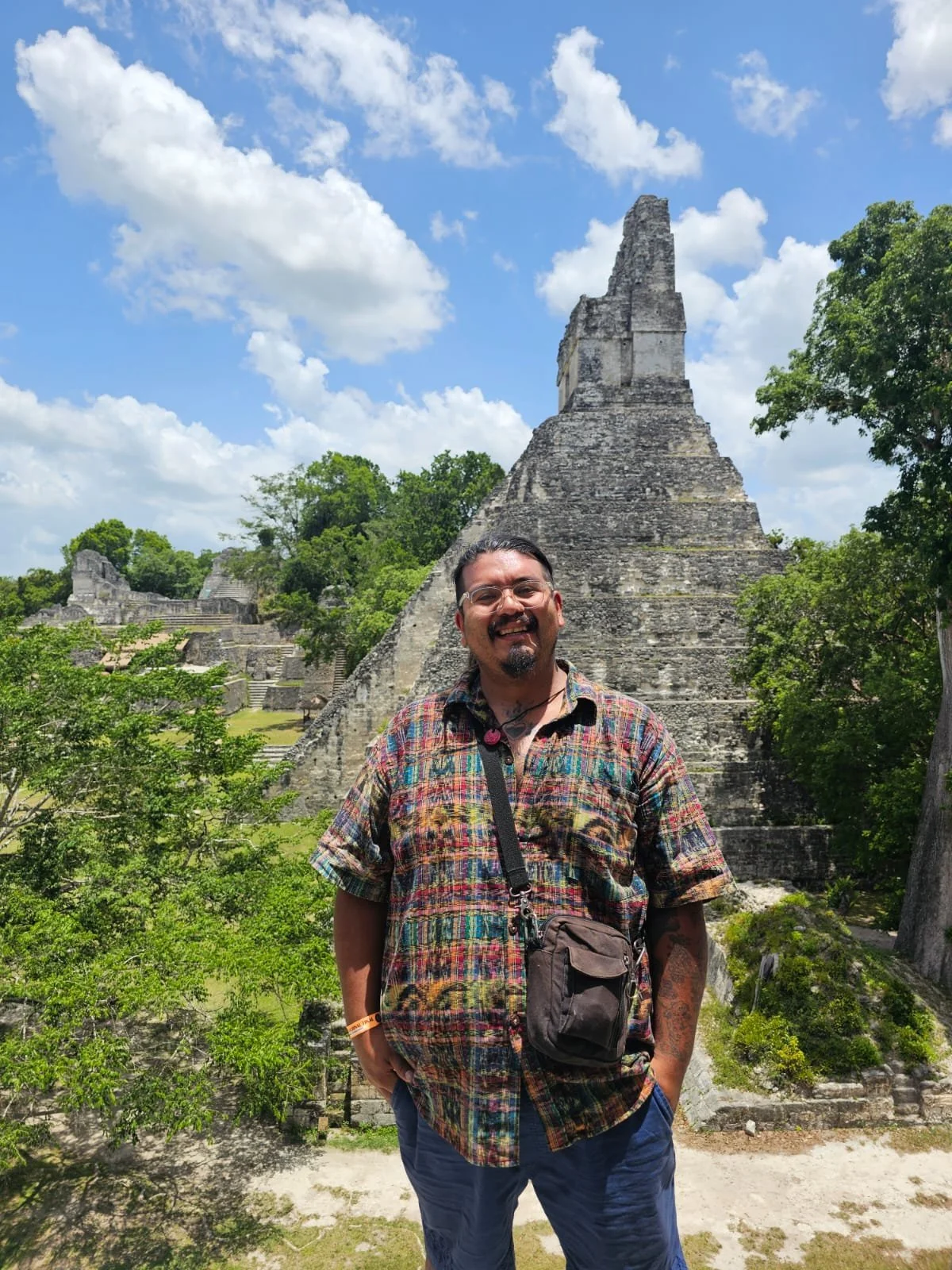
Matias Martinez is an Indigenous Latin American artist of Mapuche/Maya descent based in Calgary, Alberta. His multidisciplinary practice blends glass, painting, media arts, and upcycled sculpture to explore themes of identity, memory, and cultural mythology. Rooted in emotional process and community connection, Matias creates work that is both personal and political, centering Latinx and Indigenous stories through vibrant, experimental forms. His recent work reimagines ancestral myths through hybrid creatures and glowing glass installations, merging traditional symbolism with contemporary materials and technology. Matias is also a founding member of Como Se Dice, a Latiné artist collective dedicated to reclaiming space, fostering cultural dialogue, and uplifting underrepresented voices in the arts. His murals, sculptures, and installations have appeared in festivals and exhibitions across Alberta, including large-scale public art and illuminated sculptures. Through each piece, Matias invites viewers to step into a world where mythology, memory, and identity are fluid, powerful, and alive.
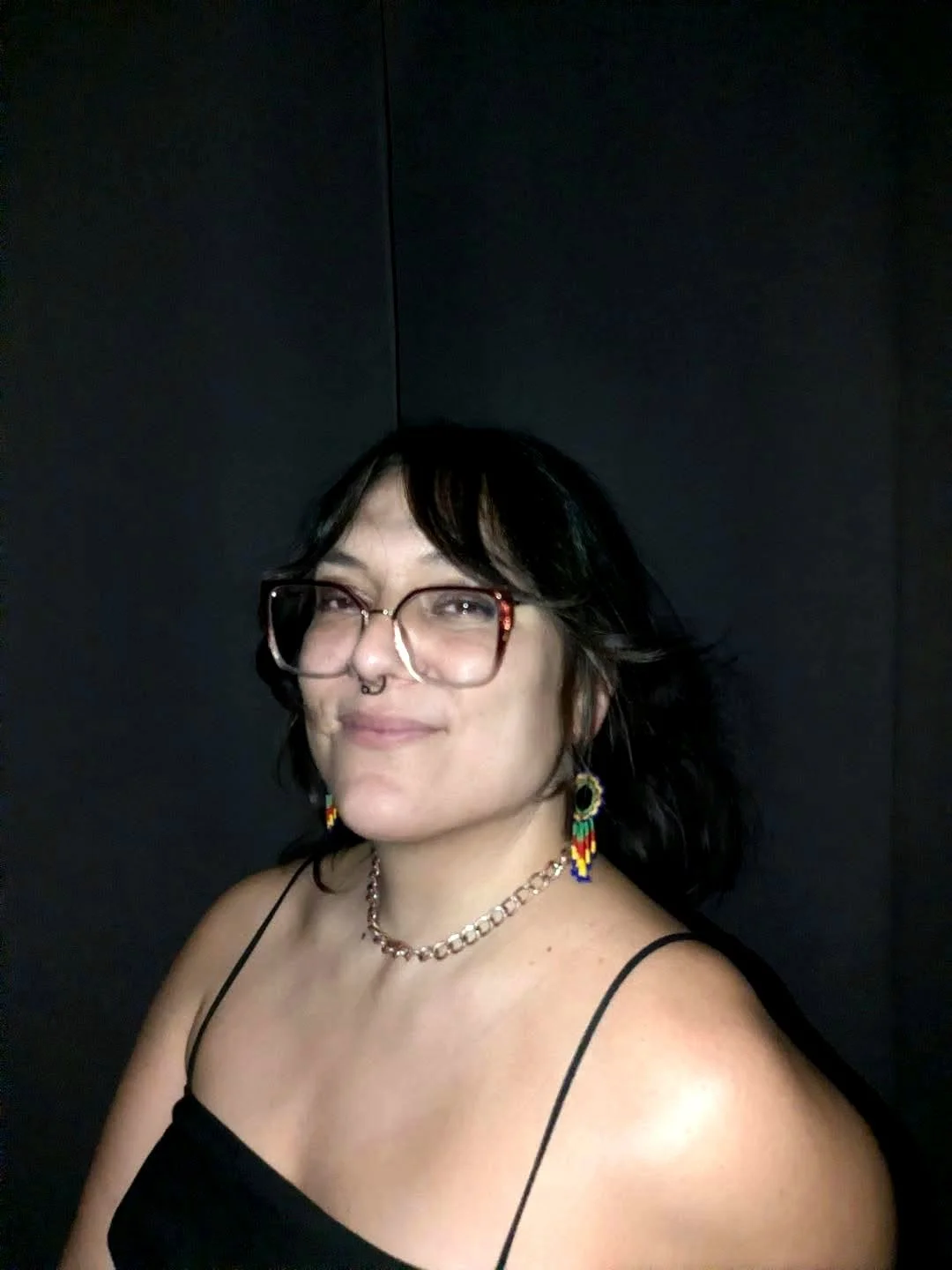
Solana Morante’s work embodies her positionality as an Indigenous trans-feminine queer artist situated within the intersecting frameworks of settler colonialism, capitalist modernity, and religious orthodoxy. Using an anarchist and non-hierarchical modality, Morante actively contemplates her own identity alongside collective existence through her organic and reflective process. As such, she believes a continuous dialog with the living energies that constitute her intersecting communities is paramount to her practice. Recently, she has been working with common and uncommon mediums to embrace and reflect the multiplicity of narratives arising from her physical being as a nexus of body, place, politics, and personal history.
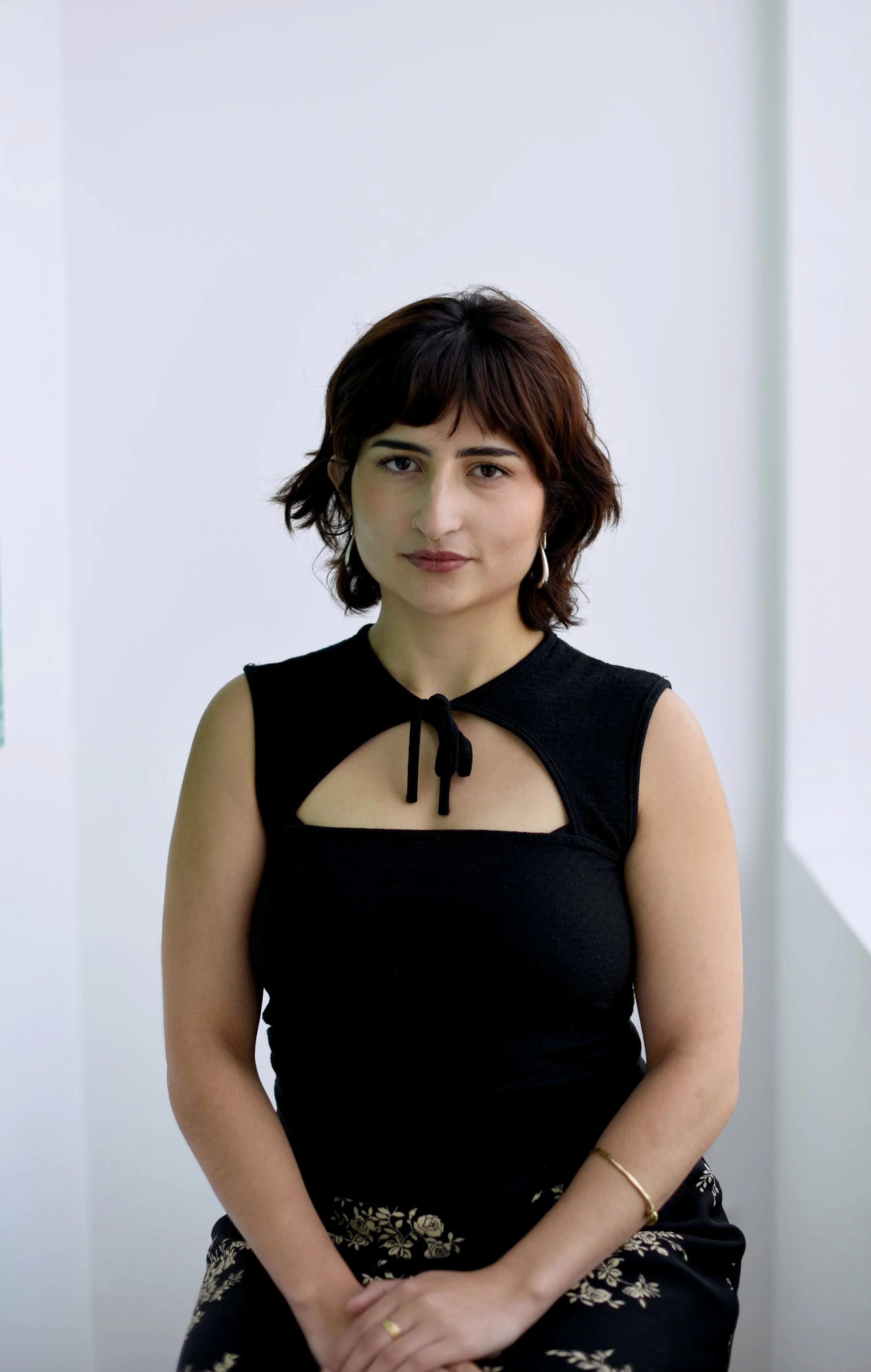
Isabella Rodriguez Chaparro (she/her) was born in Bogotá, Colombia, and immigrated to Canada with her mother in 2012. Isabella works in painting and various printmaking mediums with a focus on etching. Her work is an attempt to understand her complex feelings of alienation surrounding her lived experiences as an immigrant. She focuses on themes of longing, power, and guilt often using self-portraiture to express this within her work. Isabella is currently pursuing a BFA in Art and Design from the University of Alberta.
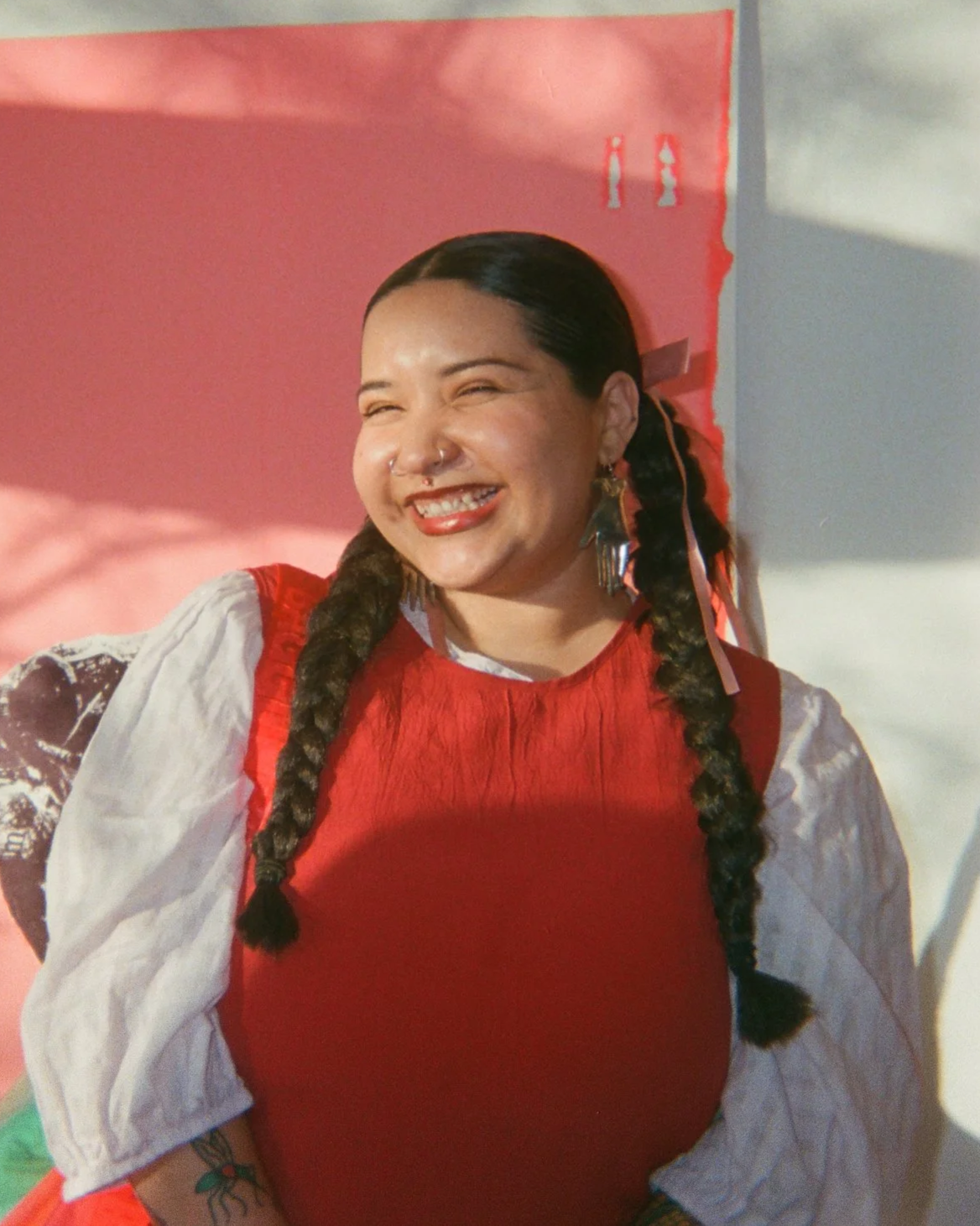
Nadia Zamora Hernandez (she/her) was born in San Luis Potosi, Mexico, and immigrated to Canada with her family in 2009. She holds a BFA from the University of Alberta (2025). She is an emerging artist whose work is inspired by the human body and explores the nuances and complexities of lived experiences. Her art fosters personal healing. She is driven by love–and by rage. She finds it necessary to make space for radical resistance and encourages artists to clutch onto advocacy. She cherishes her roots, gently holds them, and braids them into her diasporic experience.
About The DJ
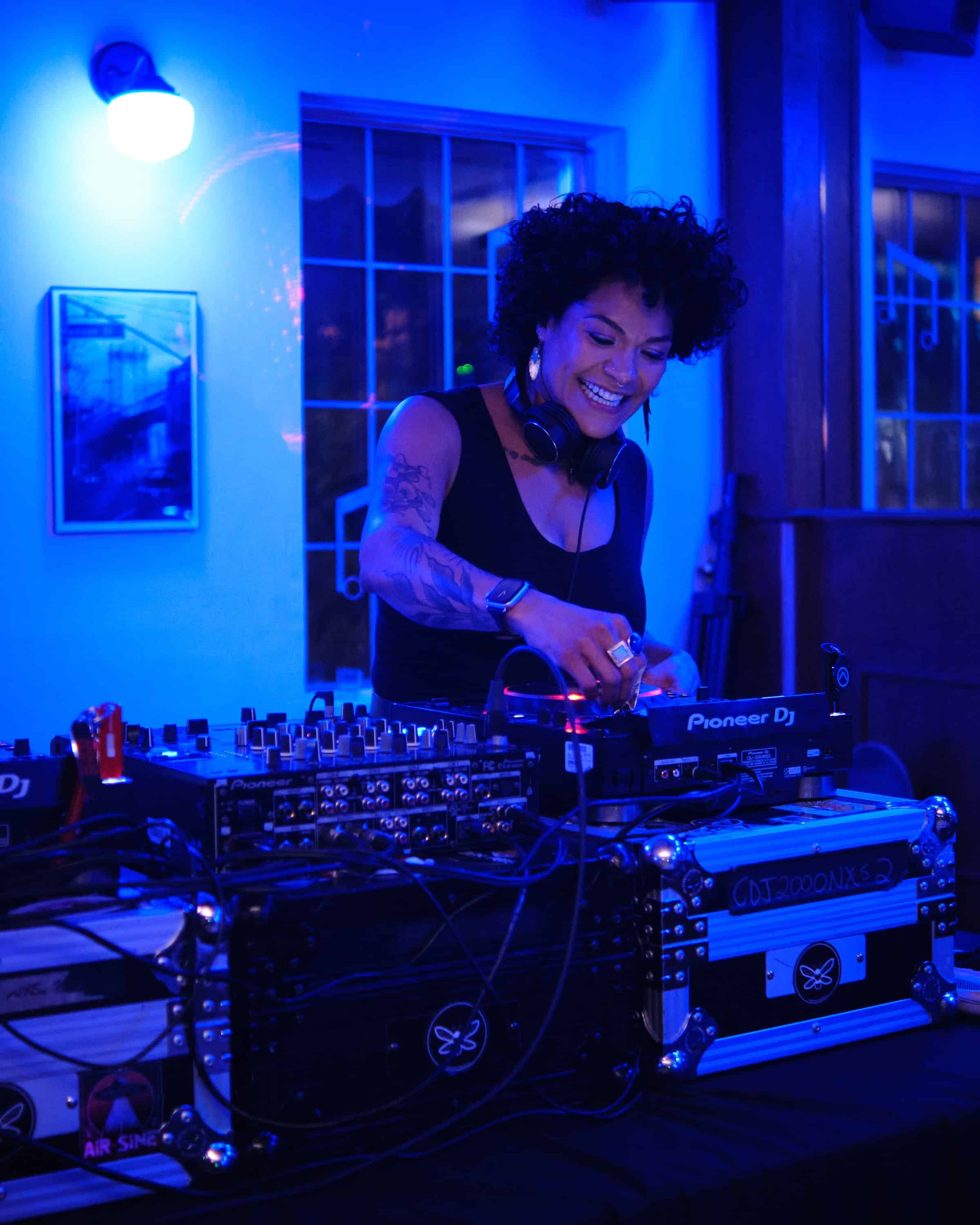
Photo: Mariana Cañadas / M.C. LUV
M.C. LUV ( Singer / DJ ) brings individuality, style, and soul to the dancefloor. Rooted in her Afro Latin heritage, she weaves a sound that invites you to move freely and find your own space in the rhythm. Her sets are live, expressive, and heartfelt fusing harmonies, freestyle vocals, and raw emotion that pulls you in and takes you away. She creates an experience to feel welcoming for all.
M.C. LUV opens your world to a fresh groove, where culture meets club, and expression is liberation. Now curating the event series SWAY this way in Treaty One Territory in celebration of Afro Electronic Music.
About the Curator
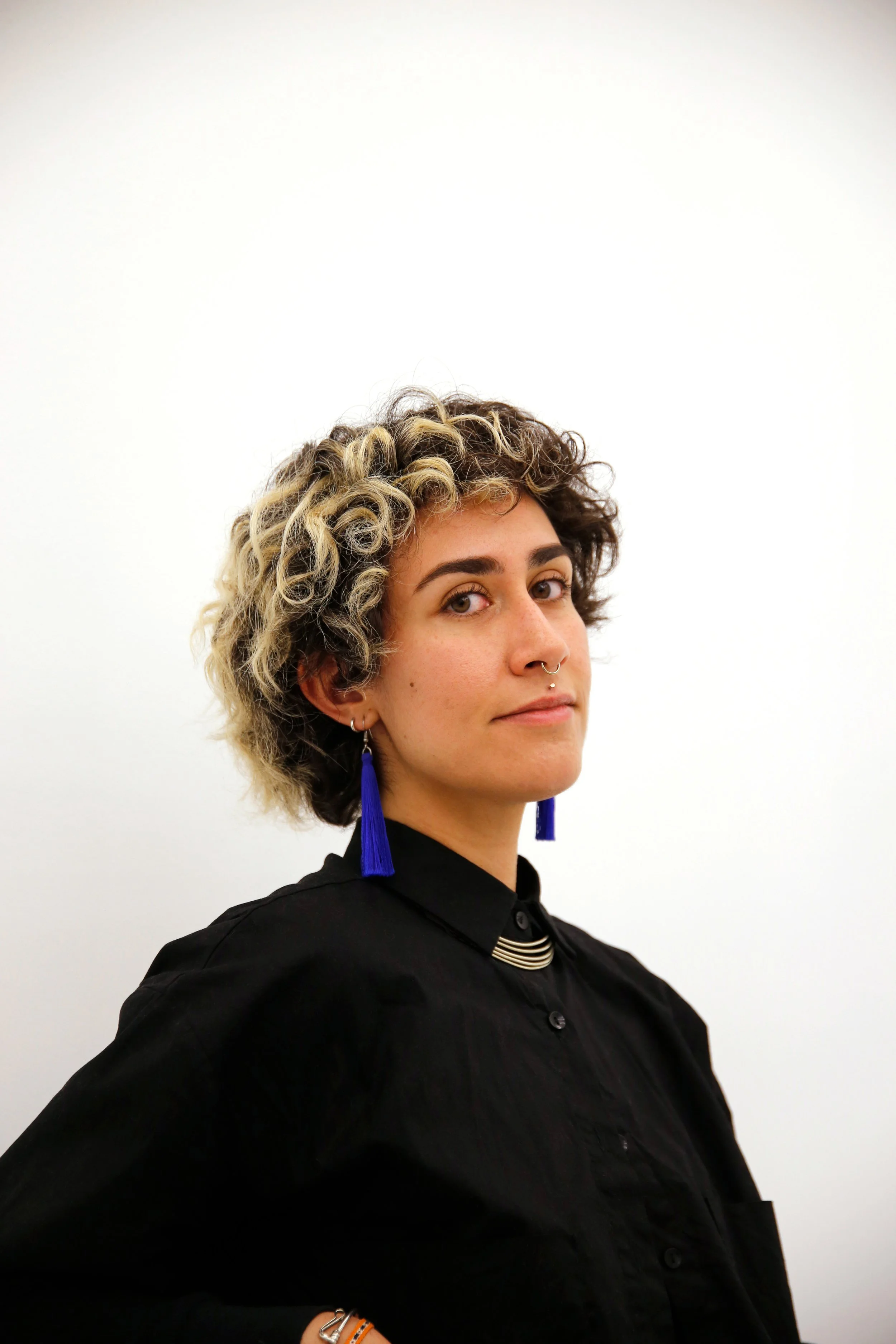
Photo: Tatiana Zagorac.
Mariana Muñoz Gomez is a curator, artist, and writer based in Winnipeg, Manitoba on Treaty 1 Territory. Their practice explores place, identity, and language, and how these topics intersect with coloniality, temporality, and relationality. Mariana has been involved with various Winnipeg collectives and they are currently a managing co-editor of Carnation Zine. Mariana was the curator in residence at the Winnipeg Art Gallery-Qaumajuq from 2021 to 22, and they were part of the curatorial collective window winnipeg from 2018 to 2023. Visit Mariana’s website at www.marianamunoz.ca.